

How Does Assisted Living Support Social Interaction for Residents?
Assisted living communities are designed to encourage daily connection and prevent isolation among residents. Through shared spaces, organized activities, and a built-in network of neighbors, these environments naturally promote frequent interaction for people who may otherwise struggle to find consistent companionship.
The structure of assisted living makes it easier for local residents who have experienced changes in mobility, health, or lifestyle to form new social bonds. These communities reduce the logistical barriers of transportation and accessibility that may otherwise keep some older adults homebound, especially during Erie’s harsh winters or unpredictable seasonal weather.
What Types of Social Activities Are Common in Assisted Living?
Most assisted living communities offer a range of planned events and informal gatherings. Options often include group meals, hobby clubs, fitness classes, educational sessions, and celebrations marking holidays or seasonal occasions. These familiar routines provide multiple, low-pressure opportunities for residents to strike up conversations and discover shared interests.
For example:
- Game nights featuring cards, puzzles, or bingo
- Book clubs and discussion groups
- Craft sessions, gardening projects, or art workshops
- Fitness and movement classes tailored for varying abilities
- Music performances or sing-alongs
- Movie screenings and popcorn afternoons
Residents in the city also benefit from structured outings to local parks, libraries, and cultural landmarks—weather and mobility permitting.
Are Friendships Easy to Build in Assisted Living Settings?
The design of assisted living communities enhances the ease of meeting new people. Shared dining areas, lounges, and outdoor patios naturally become gathering spots, reducing the social hurdles sometimes found in traditional neighborhoods. Staff often help introduce new residents to their neighbors, smoothing out the transition and creating early opportunities for connection.
Still, forming meaningful friendships can take time and depends on personality, comfort levels, and individual health. It’s common for new residents to need weeks or months before developing deeper bonds. Some people may prefer smaller gatherings or one-on-one conversations, both of which are also supported by most local communities.
How Do Social Connections in Assisted Living Help Emotional Well-Being?
Consistent social interaction has strong links to emotional and mental health, especially for older adults living alone or facing recent life changes. Positive connections help counter feelings of loneliness, which are associated with increased risk of depression, anxiety, and cognitive decline. Assisted living environments, by design, provide regular opportunities for residents to feel seen, heard, and valued.
In Erie, where extended families may be separated by distance or busy schedules, daily interactions with peers and professional caregivers become especially meaningful. Residents report higher quality of life when they’re part of a community that recognizes birthdays, celebrates milestones, and supports each other after health events or losses.
What if Someone Prefers Solitude or Needs Privacy?
Assisted living doesn’t require constant participation in group events. Private apartments or suites in these communities allow for quiet time, and staff respect residents’ preferences for solitude. Social engagement is encouraged but not forced—meaning those who enjoy quiet reflection, solo hobbies, or visits only with selected friends or family can still shape daily routines to their liking.
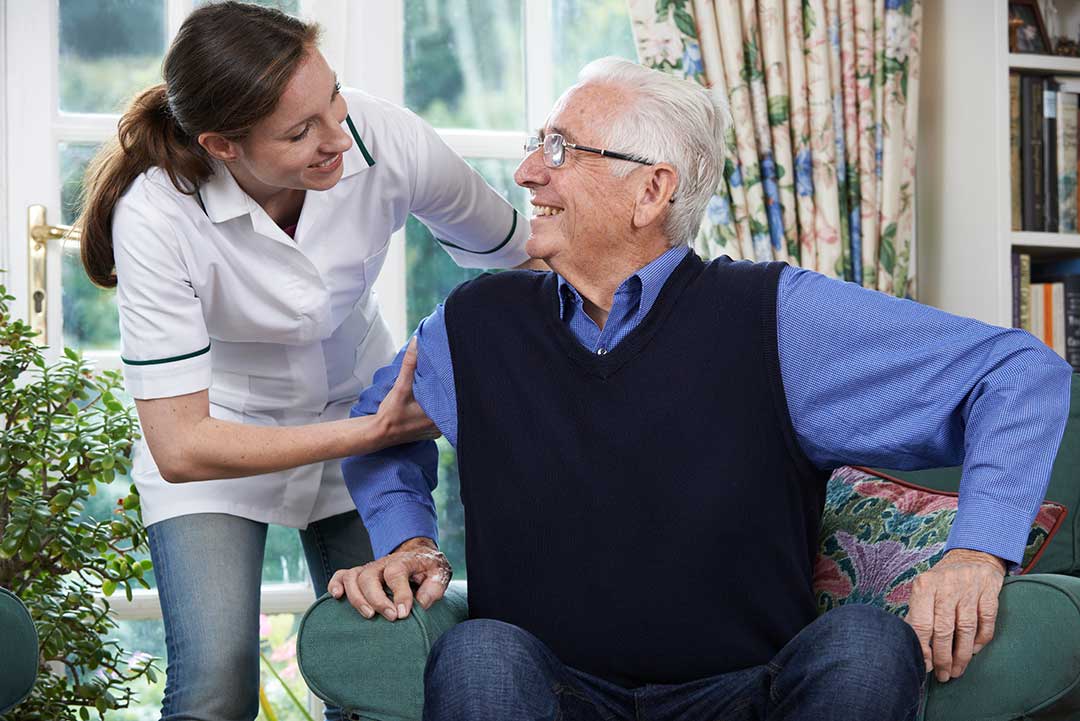
For many local households, the peace of mind comes from knowing there’s always an option for company if and when it’s wanted.
Can Family and Friends Visit Easily?
Assisted living communities typically welcome regular visits from relatives and friends, with flexible visitation policies designed to accommodate a range of schedules. Family meals, small celebrations, and holiday gatherings are often encouraged on-site, helping to sustain connections with loved ones even as household needs change.
Seasonal considerations are relevant in Erie—during colder months, indoor spaces are routinely adapted for safe, comfortable visits, ensuring that weather doesn’t interrupt lifelong relationships.
Do Residents Stay Connected to the Broader Community?
Residents of assisted living communities are not cut off from the city. Many opportunities exist for continued involvement in local organizations, faith groups, clubs, or volunteer work. Staff sometimes arrange transportation to cultural events, voting locations, or community meetings for those who wish to stay active outside the residence, supporting ongoing participation in area life.
During periods of harsh weather or when travel is challenging, technology such as virtual meetings or group calls helps keep regional ties strong.
What Are Common Misconceptions About Social Life in Assisted Living?
A persistent misconception is that moving to an assisted living setting means giving up independence or personal choice in socialization. In reality, these communities aim to offer a flexible, supportive environment rather than enforce a one-size-fits-all approach. Participation is always voluntary, and every resident retains the freedom to choose how, when, and with whom to spend their time.
It’s also sometimes believed that everyone in assisted living is very frail, or that opportunities for connection are limited to structured activities. In practice, residents represent a diverse range of needs and interests, and genuine friendships often form around shared experiences, mutual support, or simple daily routines.
How Does Erie’s Local Lifestyle Influence Social Engagement in Assisted Living?
The rhythms of local life—seasonal changes, local traditions, and neighborhood layouts—shape how social life unfolds within assisted living communities. During snowy months, indoor social events become more central, while spring and summer open the door to outdoor gardening clubs, walking groups, or porch conversations.
Local residents are often used to a slower, more neighborly pace, making smaller group gatherings and relaxed shared meals a natural fit for social connection. The spirit of community often continues from longtime neighborhoods into these new living arrangements, helping residents transition while keeping a sense of belonging.
