
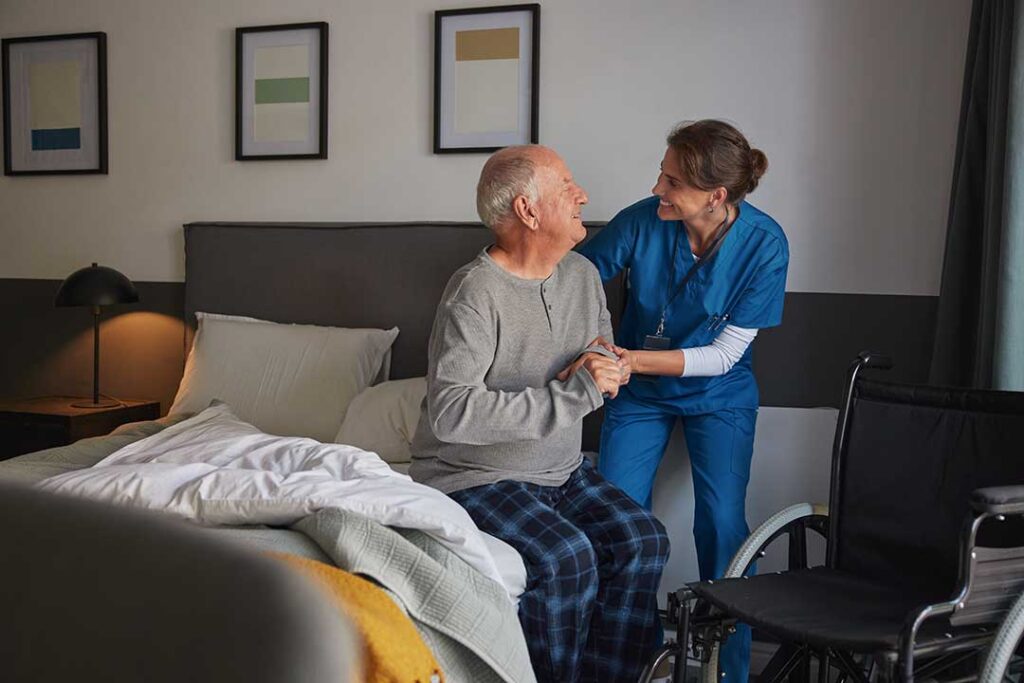
What Does Moving to Assisted Living Involve?
Transitioning from home to assisted living in Erie, PA generally means moving into a residential community where support with daily tasks, health monitoring, and social opportunities are all available on-site. Residents keep their independence while gaining the reassurance of round-the-clock assistance if needed. The process can take time and may involve emotional adjustments for both the individual and their family.
For many, the change is gradual. Some start with short visits, participate in activities, or use respite stays before deciding to make a permanent move. Talking openly about expectations and what “assisted living” provides helps align everyone’s understanding before moving day.
How Should Residents Prepare for the Transition?
Planning ahead makes the transition easier. Begin by discussing what is most important to the future resident: privacy, access to preferred activities, opportunities for socializing, or proximity to local parks, shopping, and health care options in Erie.
Practical steps to prepare include:
- Touring several communities with family or trusted friends.
- Making a list of belongings to bring—space is usually limited, so prioritize comfort items, cherished décor, and weather-appropriate clothing for the local climate.
- Gathering medical records, prescriptions, and important legal documents for a smooth admission process.
- Considering the best arrangements for mail forwarding, utility cancellations, and home security if leaving a house behind.
Residents often find it helpful to speak with others in the Erie community who have recently gone through the change for honest insights and tips.
What Are the Emotional Aspects of Leaving Home?
Leaving a longtime home can feel overwhelming or bittersweet. It is normal to experience a mixture of relief, anxiety, or even grief.
Ways to support the emotional transition include:
- Visiting the new living environment ahead of time to build familiarity.
- Choosing familiar bedding, décor, and photos to make the new apartment feel comfortable and personal.
- Maintaining regular communication with friends and family in Erie, whether through in-person visits or video calls.
- Getting involved with planned activities or clubs, which helps forge new friendships and routines within the community.
Support is often available on-site from peer groups or activity coordinators who understand this adjustment period and can facilitate connections.
What Kinds of Support Are Provided in Assisted Living?
Assisted living in Erie offers a blend of personal assistance, health support, and lifestyle amenities, all tailored to individual needs. Assistance may include help with bathing, dressing, medication reminders, and transportation to medical appointments or local events.
Residents also benefit from:
- Balanced, nutritious meals suited to seniors’ dietary needs.
- Social, educational, and recreational programs adjusted for seasonal weather and accessibility.
- Housekeeping, laundry, and maintenance services.
Some residents may find relief in letting go of home upkeep tasks, especially during Erie’s snowy winters or humid summers when property maintenance can become physically challenging.
How Does the Move Affect Daily Routines?

Daily routines in assisted living are structured but can be personalized. Unlike nursing homes, residents retain freedom to set their own schedules within a supportive environment. Meals are served at set times, but attendance is typically flexible. Activities are offered throughout the week; participation is entirely up to the resident.
For those who prefer privacy or quieter routines, staff can accommodate individual preferences. Residents can often decorate their apartments, choose their own schedules, and invite family and friends to visit, mirroring their previous daily life as much as possible.
What Should Families Expect About Visiting and Staying Connected?
Family members are usually welcome to visit as often as they like, with most facilities in the city accommodating both regular visits and occasional overnight stays depending on policy. Many communities organize family events year-round, and staff often help residents use technology to connect with loved ones, an especially helpful feature during Erie’s winter storms or travel difficulties.
Keeping in touch with local groups, faith communities, or hobbies outside the residence can also provide comfort and a sense of continuity.
Are There Common Misconceptions About Assisted Living?
A frequent misconception in Erie is that assisted living feels institutional or restrictive. In practice, most communities aim to provide a home-like, friendly atmosphere focused on resident choice. The living spaces resemble apartments or suites, and social opportunities are robust, not compulsory.
Another misunderstanding involves the level of medical care: while qualified staff are available 24/7, assisted living is not the same as a skilled nursing facility. Residents should expect support with daily living rather than intensive medical oversight, but staff are trained to respond to emergencies and coordinate with local healthcare providers as needed.
What Local Factors Might Affect the Transition?
Weather, social networks, and transportation are all relevant to Erie households considering assisted living. Winters can be snowy and cold, making mobility harder for those living on their own. Moving to a setting where snow removal, heating, and home emergencies are managed relieves seasonal burdens and provides peace of mind.
Local residents may also value easy access to Lake Erie’s parks or area libraries, so reviewing transportation options or community amenities during selection is wise. The urban and suburban layout of the city means some locations are closer to preferred shops, medical offices, or family neighborhoods.
How Long Does Adjustment Usually Take?
Adjustment is highly individual—some people settle in quickly, while others may need several months. Having a flexible mindset, staying open to new social connections, and being proactive about participating in chosen activities often smooths the transition.
Practical strategies that help include:
- Keeping a regular schedule of favorite activities or routines from home.
- Asking staff questions without hesitation; adjusting support is part of the process.
- Remaining patient with oneself as new surroundings become familiar.
New residents often find that, with time, they develop a comfortable rhythm and renewed opportunities for enjoyment and connection within the city’s supportive environment.
