
What amenities matter most in assisted living?
The most valuable assisted living amenities are the ones that support safety, independence, comfort, health, and meaningful daily routines. A pleasant lobby or attractive dining room may be appealing, but practical features such as reliable emergency response, accessible bathrooms, transportation, nutritious meals, and activities that fit individual interests usually have a greater effect on daily life.
Amenities should be evaluated based on a resident’s current needs and likely changes over time. Someone who walks independently may still benefit from grab bars, good lighting, and elevators. A person managing diabetes, hearing loss, limited vision, or memory changes may need more specialized support.
How should safety amenities be evaluated?
Safety features should be easy to use, consistently maintained, and suited to the resident rather than added only for appearance. During a visit, look beyond general cleanliness and ask how safety works in everyday situations.
Useful safety amenities may include:
- Emergency call systems in apartments and bathrooms
- Staff response procedures for falls or urgent medical concerns
- Handrails in hallways and stairwells
- Non-slip flooring and well-lit walking paths
- Walk-in showers, grab bars, and raised toilet options
- Secure entrances and exits when residents are at risk of wandering
- Backup power for essential systems
- Clear evacuation procedures
Ask whether residents can wear a pendant, use a wall-mounted button, or reach help from the bathroom floor if they fall. It is also reasonable to ask how often emergency equipment is tested and how staff respond overnight.
For Erie residents, winter conditions deserve special attention. Snow, ice, wind, and early darkness can make outdoor travel difficult for older adults. Covered entryways, cleared walkways, safe parking access, and dependable transportation can reduce fall risks and help residents remain connected during difficult weather.
What apartment features support independence?
A good assisted living apartment should make ordinary tasks easier without making the resident feel institutionalized. The best layout depends on mobility, vision, hearing, memory, and personal habits.
Look for:
- Wide doorways that accommodate walkers or wheelchairs
- Space to move safely around the bed and bathroom
- Adjustable lighting and easy-to-see switches
- Emergency access in the bathroom and sleeping area
- Temperature controls that are simple to operate
- Adequate storage for clothing, medications, and personal items
- Windows with usable shades or blinds
- Flooring that is even, stable, and easy to navigate
A private apartment may offer more privacy, while a shared arrangement may provide companionship or reduce cost. Neither choice is automatically better. The practical question is whether the space supports rest, personal routines, and safe movement.
Families should also check whether residents may bring familiar furniture, photographs, or small household items. Familiar surroundings can make a transition easier, particularly for someone experiencing memory loss or anxiety.
Which dining amenities deserve attention?
Dining is more than a meal service. It affects nutrition, social connection, medication timing, and daily enjoyment. Residents should ask how menus are planned and how the dining routine accommodates changing needs.
Important questions include:
- Are meals available at consistent times?
- Can residents choose between more than one entrée?
- Are snacks available between meals?
- Can the kitchen accommodate low-sodium, diabetic-friendly, soft, minced, or pureed diets?
- How are food allergies documented and managed?
- Can residents eat in their apartment when they are ill or tired?
- Are dining areas comfortable for people with hearing or vision limitations?
A dining room should have enough space for walkers and wheelchairs, comfortable seating, manageable noise levels, and clear menus. If a resident has difficulty using standard utensils, ask whether adaptive equipment or staff assistance is available.
Meal quality should be judged by more than a posted menu. Observe whether food looks appetizing, whether residents appear comfortable, and whether staff notice when someone is not eating.
What health and wellness amenities are useful?
Health-related amenities should match the resident’s care plan and support routine needs without replacing appropriate medical care. Many communities provide medication management, wellness checks, mobility support, and coordination with outside clinicians, but the exact services vary.
Ask how the community handles:
- Medication reminders, storage, and administration
- Routine blood pressure or weight monitoring
- Mobility assistance and fall prevention
- Physical, occupational, or speech therapy visits
- Changes in appetite, mood, or walking ability
- Transportation to medical appointments
- Short-term illness or recovery after hospitalization
A fitness or wellness room can be useful if it includes safe, accessible equipment and activities appropriate for older adults. Gentle strength, balance, stretching, and walking programs may be more valuable than equipment that residents rarely use.
The presence of a wellness area does not necessarily mean clinical care is available on site. Families should clarify which services are included, which require additional arrangements, and what happens if a resident’s needs become more complex.
How do activities and social spaces affect quality of life?
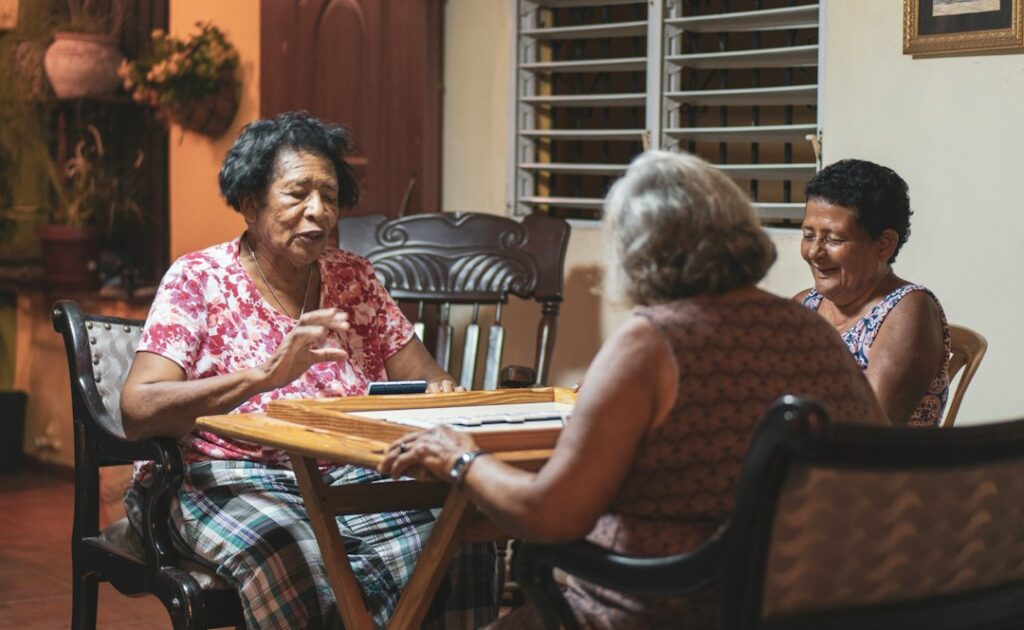
Activities are most useful when they offer genuine choice rather than a schedule filled with obligatory events. Residents should be able to participate in group programs, spend quiet time alone, or pursue familiar interests.

Look for a variety of options such as:
- Exercise, stretching, and balance activities
- Music, art, games, and discussion groups
- Reading areas and quiet rooms
- Outdoor patios, gardens, or walking paths
- Religious, cultural, or educational programs
- Opportunities to visit with family
- Celebrations of birthdays, holidays, and resident traditions
Outdoor access matters in Erie, where seasonal weather can limit time outside. A safe indoor walking route, bright common areas, and comfortable spaces for winter visits can help residents stay active when outdoor conditions are poor.
Ask whether residents help shape the activity calendar. Personal choice is especially important for people who do not enjoy large groups or who have hobbies that are not part of a standard schedule.
Why are transportation and communication amenities important?
Transportation can determine whether residents remain connected to medical care, family, shopping, and community activities. Ask where transportation goes, how far in advance rides must be arranged, whether wheelchair-accessible vehicles are available, and what happens when weather disrupts travel.
Communication amenities also deserve attention. Reliable phone service, internet access, mail delivery, and shared computers can help residents stay connected. Hearing-friendly common areas, captioned television options, and good cellular reception may be significant for residents who depend on family calls or virtual appointments.
Families should ask how they receive updates about falls, illnesses, medication changes, or changes in behavior. A clear communication process can prevent confusion, especially when several relatives share responsibility for care.
Which amenities are commonly overlooked?
Some of the most useful features are not obvious during a short tour. Pay attention to details that affect comfort and routine:
- Laundry access or dependable laundry service
- Hair care or personal grooming arrangements
- Convenient package and mail delivery
- Visitor seating that allows privacy
- Storage for seasonal clothing and mobility equipment
- Quiet areas for naps or private conversations
- Accessible restrooms near common spaces
- Temperature and noise levels in hallways
- Maintenance response for broken fixtures or appliances
Also ask what happens during power outages, severe winter weather, infectious illness, or building repairs. A community may look comfortable under normal conditions but have very different procedures during disruptions.
How can families compare amenities fairly?
Create a short comparison list based on the resident’s actual priorities. Separate essential features from preferences. For example, accessible bathing equipment and medication support may be essential, while a salon or large activity room may be optional.
During visits, ask to see the apartment, bathroom, dining area, outdoor space, and emergency equipment. If possible, visit at a mealtime or during an evening period rather than relying only on a formal daytime tour.
The most useful evaluation combines observation with specific questions:
- Can the resident safely use the space without constant assistance?
- Are services available at the times they are needed?
- Are staff attentive, respectful, and easy to find?
- Does the environment support the resident’s personality and routines?
- Can the amenities continue to meet needs if mobility or memory changes?
An assisted living community does not need every possible feature. It needs the right combination of practical supports, comfortable spaces, responsive services, and opportunities for residents to remain engaged in everyday life.
