
Moving into assisted living can provide greater support with daily routines, but the transition may also feel unfamiliar. A room, schedule, and building may be new, while personal belongings, routines, and relationships help create a sense of continuity.
Making assisted living feel like home usually depends on familiar surroundings, personal choice, meaningful activities, and respectful communication. These elements can be adjusted over time as residents learn what feels comfortable and what support they prefer.
How can a resident make an assisted living room feel familiar?
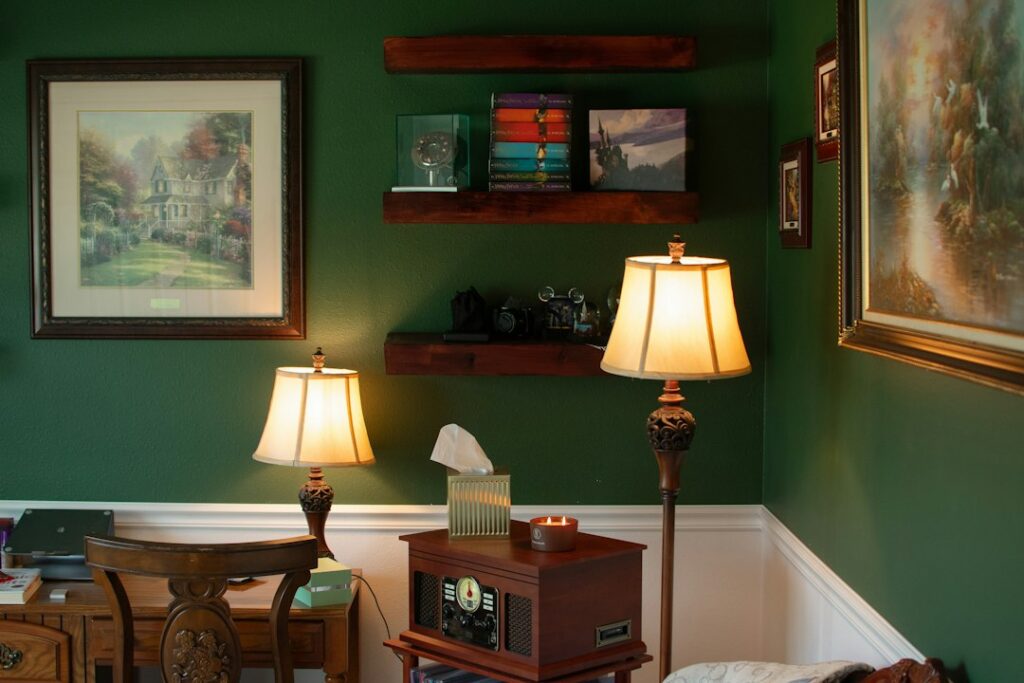
Personal belongings are often the quickest way to make a new room feel recognizable. Familiar objects can provide visual reminders of home and help establish daily routines.
Useful items may include:
- Family photographs or framed artwork
- A favorite chair, blanket, quilt, or pillow
- Books, puzzles, music, or craft supplies
- A familiar lamp or clock
- Small decorations connected to hobbies, faith, culture, or family traditions
- A calendar, bulletin board, or collection of meaningful cards
The room should remain easy to move through, especially if a resident uses a walker or wheelchair. Decorations should not block entrances, exits, grab bars, electrical outlets, or areas needed for care. Extension cords, loose rugs, and crowded walkways can create fall risks and may need to be avoided.
A few meaningful items are often more effective than filling every surface. A carefully arranged room can feel personal without becoming difficult to clean or navigate.
Which daily routines help assisted living feel more like home?
Predictable routines can reduce stress and help residents maintain a sense of control. A person may prefer waking at a certain time, having coffee before breakfast, reading after lunch, or calling family in the evening.
Residents and families can discuss preferences such as:
- Preferred wake-up and bedtime
- Bathing or showering routines
- Favorite foods and usual meal times
- Times for medications, rest, exercise, or outdoor activity
- Religious, cultural, or seasonal traditions
- Preferred television, music, or reading habits
Assisted living communities generally have shared schedules, but that does not mean every part of the day must feel identical for every resident. Asking what choices are available can help identify areas where a resident can maintain independence.
Seasonal routines may need special attention in Erie, PA. Snow, ice, wind, and short winter daylight can limit outdoor activities, while changing temperatures may affect clothing, mobility, and transportation plans. Indoor alternatives, such as walking areas, exercise programs, window-side activities, or visits with family, can help preserve a resident’s normal rhythm during difficult weather.
How can residents stay connected to family and friends?
Regular contact is often more meaningful when it follows a dependable pattern. A short daily phone call, weekly visit, shared meal, or scheduled video conversation may be easier to anticipate than occasional unplanned contact.
Visitors can support familiarity by bringing ordinary parts of home life, such as:
- A favorite snack, if permitted by dietary guidelines
- Mail, photographs, or familiar newspapers
- Seasonal clothing
- A family recipe or story to discuss
- A small project to complete together
- News about household events and relatives
Visits do not need to be long or elaborate. Quiet companionship may be more comfortable than a busy gathering, especially for someone who becomes tired easily or has difficulty following several conversations.
Family members can also ask specific questions rather than relying only on “How are you?” Questions about meals, sleep, activities, staff interactions, or favorite parts of the day may reveal practical ways to improve comfort.
What helps a resident feel respected and in control?
A home-like environment includes opportunities to make decisions. Residents should be involved in choices about clothing, meals, activities, room arrangement, visitors, and how assistance is provided whenever their abilities and care plan allow.
Respectful support includes:
- Knocking before entering a room
- Explaining care before it begins
- Offering choices instead of giving unnecessary instructions
- Allowing enough time to respond
- Using a preferred name and communication style
- Protecting privacy during personal care
- Recognizing that preferences may change from day to day

A resident who needs help with bathing, dressing, medications, or mobility still has personal preferences. Needing assistance with a task does not eliminate the need for choice or dignity.
If memory loss or confusion is present, simple options may work better than open-ended questions. Choosing between two shirts, two activities, or two meal options can preserve participation without creating unnecessary frustration.
How can meaningful activities become part of daily life?
Activities feel more like home when they connect with a person’s past interests and current abilities. A former gardener may enjoy arranging flowers, caring for indoor plants, or looking through garden catalogs. Someone who enjoyed cooking may participate in food preparation that is safe and appropriate.
Activities might include:
- Listening to familiar music
- Reading aloud or discussing current events
- Sorting photographs or family keepsakes
- Knitting, painting, woodworking projects, or other crafts
- Watching local weather changes from a window or courtyard
- Writing letters or recording family stories
- Participating in gentle exercise
- Helping set a table or organize personal items
The goal is not constant entertainment. Quiet, purposeful activities can be just as valuable as group programs. A resident may prefer observing rather than joining in, and that choice should be respected.
Interests can also change after a move. Trying an activity more than once may help, but repeated refusal can be useful information rather than a problem to overcome.
What role do food and familiar meals play?
Food is closely tied to memory, comfort, culture, and routine. A resident may miss particular flavors, meal patterns, or the ability to choose when and where to eat.
Families can share information about favorite foods, dislikes, allergies, religious practices, and longstanding meal traditions. Staff members may be able to explain available choices, substitutions, snacks, and dining schedules.
Some residents may eat better in a quiet setting, while others enjoy conversation. Smaller portions, familiar textures, adaptive utensils, or additional time may also help. Changes in appetite should be communicated because they can relate to health, medication effects, mood, dental concerns, or difficulty swallowing.
What should families discuss if the transition remains difficult?
Adjustment can take time, and persistent distress deserves attention. Signs may include withdrawal, repeated requests to leave, poor sleep, loss of appetite, frequent anxiety, or refusal of needed care.
Families can keep a simple record of patterns:
- When distress occurs
- What happened shortly beforehand
- Whether noise, fatigue, pain, hunger, or confusion may be involved
- Which approaches provide comfort
- Whether the pattern changes after visits or schedule adjustments
Specific observations are more useful than general statements that a resident is “not adjusting.” A discussion about timing, environment, communication, or unmet needs may lead to practical changes.
A home-like setting does not mean every day will feel exactly like life before assisted living. It means the resident’s identity, preferences, relationships, and familiar routines remain visible in daily life. With patience and regular communication, a new residence can become a place where support and personal independence exist together.
